
Five Minutes to Bounce Back Stronger
Today we dive into Five-Minute Resilience Boosts—swift, practical practices you can use between meetings, on the train, or before a tough conversation. In the time it takes to refill your mug, you will settle your nervous system, sharpen attention, and rekindle courage. No elaborate setup, gear, or perfect mood required. Start where you are, breathe once, move a little, and notice the shift. Then tell us which quick lift helped you most, so our community can learn from your experience and cheer your progress forward.
Reset Your Nervous System in a Flash
{{SECTION_SUBTITLE}}
Box Breathing Made Effortless
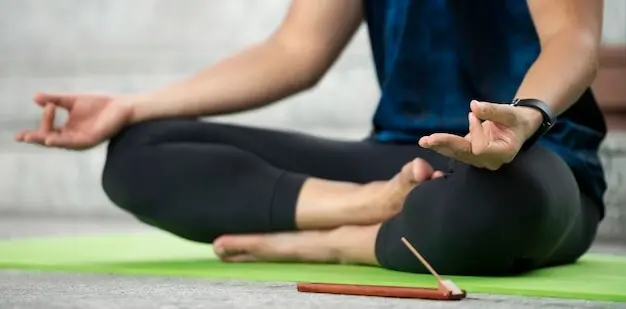
Inhale for four, hold for four, exhale for four, hold for four—repeat for about five minutes. Imagine tracing a square with your breath, corners smoothing jagged thoughts. A firefighter once told me this simple pattern steadied her hands before a rescue drill. Keep shoulders soft, jaw unclenched, and count silently. If numbers feel fussy, try matching breath to slow footsteps for a grounded, reliable reset you can use anywhere without drawing attention.
Cold Splash, Warm Calm
Brief cold exposure can nudge your parasympathetic system online. Splash cool water on your face, hold an icy glass, or press a chilled spoon against your temples. The novelty interrupts spirals and invites a slower breath. A friend keeps a gel pack in her desk, applying it for sixty seconds before difficult calls, reporting steadier voice and kinder pacing. Keep it safe and short; follow with a deep exhale and a small shoulder roll, welcoming returning ease.
Micro-Mindset Shifts That Stick
Resilience is not only physiology; it is also the story you tell yourself under pressure. In five minutes, you can update that story. Label emotions accurately, challenge catastrophic predictions, and craft a helpful next step. These cognitive pivots are small, but they compound into steadier choices. Keep a notecard or notes app ready to capture your favorite prompts. Return to them when worries blur together, and share a line that helped you so others can borrow it when needed.
Name It to Tame It
Write a single sentence: “Right now I feel anxious and protective because the deadline is close.” Precise labels reduce limbic noise and free mental bandwidth. Neuroscientists note that affect labeling can decrease amygdala reactivity, creating room to respond instead of react. Add one compassionate note—“Anyone would feel this under pressure.” I use this before presentations; naming nervousness transforms it into focus. Try it, breathe out slowly, and notice the shift from overwhelm to organized concern ready for action.
From Catastrophe to Choice
Catch the worst-case script and counter with three realistic possibilities, including one mildly good outcome. Then pick a smallest viable move that improves odds by one percent. I learned this trick from a seasoned project manager who rescued timelines with modest, momentum-building steps. Write your move, set a two-minute timer, and begin. Catastrophes fade when choices grow visible. Share your reframe in the thread; someone facing similar fears might adopt your wording and feel less cornered today.
Tiny If-Then Plans
Create a micro plan that links a trigger to a stabilizing action: “If my heart races before dialing, then I sip water and exhale for six counts.” Implementation intentions work because decisions are made in advance. Keep three handy plans on your phone for known stressors. After a week of practice, revisit and refine. Celebrate any instance you remembered, even imperfectly. Small pre-decisions reduce friction and make steadiness feel automatic when time is short and stakes feel tall.
Move to Improve in One Song
Five minutes of intentional movement can flip your internal weather. You are not training for a marathon; you are reminding your body it has options. Posture changes chemistry, rhythmic shaking clears residual tension, and paced walking steadies breath. Pick a favorite upbeat track or a calming instrumental, and let motion lead mood. I keep a ninety-second stretch playlist for emergencies and it rarely fails. Try a set now, then drop a comment about the move that surprised you most.
Power Posture, Real Results
Stand tall, feet planted, crown lifted, shoulder blades gently tucked down. Imagine widening your focus like opening curtains after rain. Hold this for two minutes, then add three slow breaths and one small smile. Social science debates magnitude, but most agree posture influences perception and choice. Before a tricky negotiation, I do this beside the elevator, and my voice arrives steadier. Pair posture with a clear intention, such as “curiosity over control,” and walk in aligned with purpose.
Shake Off the Static
Start at your hands and gently shake for twenty seconds, then arms, shoulders, legs, and finally your whole body for thirty seconds. Animals discharge stress this way after danger passes. Let your jaw wobble, exhale with sound, then pause and feel the difference. At home, my kid calls it the “snow globe reset” because flakes settle afterward. Finish with a stretch and a sip of water. This playful minute often restores clarity faster than another anxious paragraph of planning.
Walk the Box
Pace a small square on the floor, matching four steps to inhale, four to hold, four to exhale, four to hold. Moving breath anchors mind and body together. If indoors, trace tiles; if outdoors, use sidewalk seams. I used this waiting for lab results and felt worry convert into measured presence. After five minutes, note one practical next action. It is remarkable how a simple pattern brings back choice when worry tries to scatter attention in every direction.
Connection Cues You Can Do Anywhere
Resilience loves company. Even brief, sincere connection signals safety and strength. In five minutes, you can ping a supporter, scan for gratitude, or rehearse kindness toward someone difficult. These micro-connections reduce isolation and widen perspective. Keep a tiny contact list labeled “Steady People” for rapid reach-out. Bring warmth to your own inner voice, too; self-compassion counts. Post a quick note below telling whom you thanked today, and let our community echo the encouragement back to you.
One-Minute Candle Gaze

Set a timer for sixty seconds and rest your eyes softly on a candle flame or a small dot on your screen. When thoughts wander, return kindly without scolding. This micro-meditation builds redirect strength. I use it before drafting important emails; sentences arrive cleaner. Add one slow inhale and exhale at the end, noticing a quieter forehead. Over time, extend to two or three minutes. Short, consistent training often beats heroic, infrequent sessions at taming mental turbulence.
Two-Minute Single-Task Sprint

Choose one tiny, clearly defined action: rename a file, send a confirmation, outline three bullets. Close extra tabs, silence your phone, and start a two-minute timer. This compassionate constraint often cracks inertia. During a heavy afternoon, I sprinted by clearing one lingering message, and momentum returned. After finishing, write down the very next smallest step. Stack several sprints if energy rises. Share your favorite micro-task below; your ideas might unlock someone else’s stalled project today.
Distraction Triage

On a sticky note, list incoming distractions, then mark each D for do now, DLY for delay, or DMP for dump. Decide quickly, trusting gut wisdom. This five-minute audit turns buzzing flies into organized buckets. I learned this from a mentor who kept projects moving during chaotic launches. Keep your note visible for the hour. When tempted to drift, glance at the letters and return. One clean decision can save twenty messy rethinks later, protecting fragile concentration.
Build the Habit, Keep the Lift
Tiny practices shine brightest when they repeat. Anchor your favorite five-minute boosts to daily cues, celebrate micro-wins, and plan for rough days. Habits formed gently last longer than those forced by guilt. Track consistency, not perfection; missed days teach strategy. Create a rotating menu so novelty stays alive. Invite a friend to join, share reflections weekly, and refine together. Consistent small doses transform resilience from emergency gear into everyday posture you can trust under real pressure.

All Rights Reserved.