
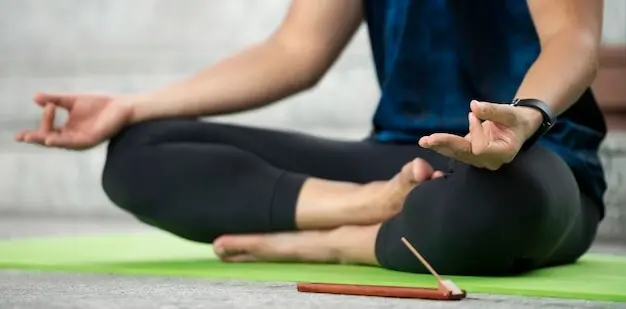
Feel Centered Again in Minutes

Welcome! Today we’re exploring Quick Somatic Resets to Bounce Back During the Day—simple, science-backed, body-first practices that help you regain clarity, steadiness, and momentum in under two minutes. Through breath, posture, sensation, and tiny, intentional movements, you’ll learn to interrupt stress loops, complete physiological responses, and return to grounded presence. Expect approachable ideas, relatable stories, and gentle experiments you can try between meetings, before calls, or after conflicts, so your day bends back toward ease and effectiveness.

Why Your Body Holds the Shortcut to Calm

The Nervous System’s Fast Lane

Your autonomic nervous system reads subtle shifts in breath rate, posture, and facial expression within seconds. Because it updates quickly, small adjustments can create big emotional changes. Lengthening your exhale, softening shoulders, and relaxing your eyes signal safety, which reduces sympathetic overdrive and frees up cognitive bandwidth. Instead of arguing with thoughts, you invite physiology to lead, letting mind and body meet in a calmer middle where decisions feel clearer and actions become more purposeful.

Interoception as a Compass

Your autonomic nervous system reads subtle shifts in breath rate, posture, and facial expression within seconds. Because it updates quickly, small adjustments can create big emotional changes. Lengthening your exhale, softening shoulders, and relaxing your eyes signal safety, which reduces sympathetic overdrive and frees up cognitive bandwidth. Instead of arguing with thoughts, you invite physiology to lead, letting mind and body meet in a calmer middle where decisions feel clearer and actions become more purposeful.

From Stress Cycle to Completion

Your autonomic nervous system reads subtle shifts in breath rate, posture, and facial expression within seconds. Because it updates quickly, small adjustments can create big emotional changes. Lengthening your exhale, softening shoulders, and relaxing your eyes signal safety, which reduces sympathetic overdrive and frees up cognitive bandwidth. Instead of arguing with thoughts, you invite physiology to lead, letting mind and body meet in a calmer middle where decisions feel clearer and actions become more purposeful.

One-Minute Practices You Can Do Anywhere
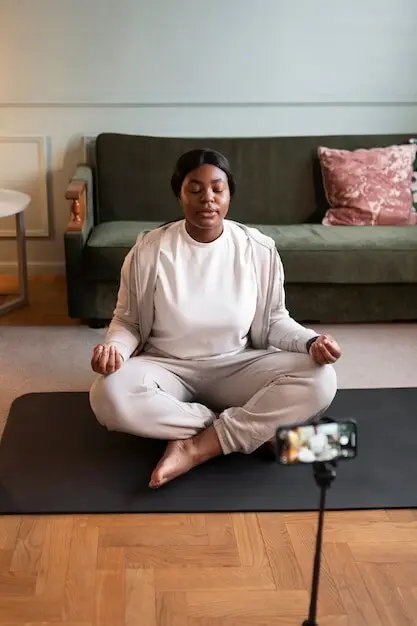
Tiny, portable resets fit into hallway pauses, elevator rides, and the space before a meeting begins. Because they are discreet and brief, you can practice often without needing special gear or privacy. Consistency compounds: fifteen seconds here, thirty seconds there, and by afternoon your nervous system has received dozens of safety signals. These small deposits pay interest in focus, warmth, and stamina, helping you respond rather than react, and reclaim choice even when the day races ahead.

Reset Routines for Specific Moments

Different stressors benefit from different levers. A contentious meeting might leave buzzing energy in the hands, while a draining afternoon slump can feel foggy and heavy. Matching the intervention to the sensation accelerates recovery. By creating small situational routines—after tough conversations, before presentations, or between caregiving tasks—you turn transitions into reliable anchors. These rituals need less than a minute, yet restore clarity, civility, and momentum so you return to responsibilities with renewed steadiness.

After a Tough Meeting

Step outside or face a window. Let your eyes scan the horizon left to right, then right to left, three or four times, moving only the gaze. Follow with a single physiological sigh. The gentle lateral eye movement unhooks hyper-focus and signals safety, while the extended exhale clears residual activation. Shake out hands for five seconds to discharge buzz. Return with a slower voice, steadier posture, and a mind ready to choose the next useful conversation.

When Focus Frays Near Noon

Stand up, plant your feet, and slowly roll your shoulders up, back, and down three times, letting your chest open and collarbones spread. Inhale through the nose for four counts, exhale through pursed lips for six counts, two cycles. Finish by placing one palm on the sternum, one on the belly, softly naming one intention. This quick reset brightens alertness without caffeine, restoring sustained attention and kindness toward yourself during the midday drift.

Before Returning Home from Work

Pause in the car or at your door. Take thirty seconds to shake legs, arms, and shoulders, letting your breath puff naturally. Place both hands on your ribs and feel three slow, steady breaths. Imagine physically setting down the day behind you. This boundary ritual releases work residue and invites a new state for evening connection. You arrive more patient, more present, and less likely to carry leftover tensions into conversations that matter.

What CO2 Has to Do with Panic

High carbon dioxide can amplify breath hunger and anxious sensations. The physiological sigh efficiently clears CO2 by reinflating tiny lung sacs and stretching airways, then lengthening the out-breath to release excess. That shift reduces the urgent, trapped feeling many describe during spirals. Recognizing this chemistry removes mystery and shame, replacing it with a practical, body-led solution you can apply anywhere, especially when thoughts feel too tangled to untie by reasoning alone.

Why Jaw and Tongue Matter More Than You Think

Clenched jaws and a tense tongue quietly broadcast danger signals through cranial nerve pathways connected with autonomic tone. Softening the tongue to the mouth’s floor, letting molars unmeet, and yawning gently can downshift arousal rapidly. Because these muscles tighten during concentration or conflict without your noticing, deliberate release becomes a powerful interrupt. The result is quicker access to empathy, nuance, and creative thinking, precisely when conversations need generosity more than speed or certainty.

Stories from Real Days

Practical tools come alive through lived moments. Short, true-to-life vignettes illuminate how everyday people use quick resets without extra time or privacy. These stories reveal the small decisions—one breath, one shake, one softening—that shift entire afternoons. They model self-trust, humor, and persistence, reminding us that regulation is not perfection, but practice. As you read, imagine your own settings and borrow what resonates, adapting each idea gently to your body’s cues and your responsibilities.

Build Your Personal Reset Menu

A reliable practice grows from choices you actually like and will use. Create a tiny menu for different moments: pre-meeting, post-conflict, afternoon fog, evening transition. Each option should be brief, discreet, and kind. Link them to cues you already encounter, like calendar notifications or doorways. Track without judgment, celebrating small repetitions. Over weeks, your nervous system expects support, reducing recovery time and making steadiness feel familiar. You become easier to live with, including to yourself.

Map Your Triggers, Choose Your Tools

List situations that frequently snag you, noting sensations that accompany each one—jaw pressure, chest heat, racing thoughts, fidgety legs. Pair every trigger with one micro-action that directly addresses the body cue. For jaw pressure, soften the tongue. For heat, lengthen exhales. For racing thoughts, orient your gaze wide. Print the menu or pin it on your phone. Clear pairing removes decision fatigue and invites compassionate, swift action precisely when you most need support.

Make It Tiny and Trackable

Shrink practices until they are impossible to skip. Ten seconds counts. One sigh counts. One gentle shake counts. Use a simple checklist or a tally mark in your notes app, celebrating every completion. Measuring consistency, not perfection, builds confidence and momentum. When you accumulate small wins, your brain updates its prediction: regulation is available here. That belief nudges you to practice earlier, preventing spirals rather than patching them after they’ve hijacked your afternoon.

Join the Conversation and Keep Practicing

Your experience teaches as much as any guide. Tell us which quick resets helped you reclaim focus, which felt awkward, and where you still feel stuck. Ask questions, request tailored mini-protocols for your schedule, and share stories that encouraged a colleague or friend. Subscribe to receive weekly practice prompts and compassionate reminders. Together we can turn ordinary pauses into powerful pivots, building days that bend back toward steadiness, clarity, and connection when it matters most.
Temiravorinodexovelto
Privacy Overview

This website uses cookies so that we can provide you with the best user experience possible. Cookie information is stored in your browser and performs functions such as recognising you when you return to our website and helping our team to understand which sections of the website you find most interesting and useful.