
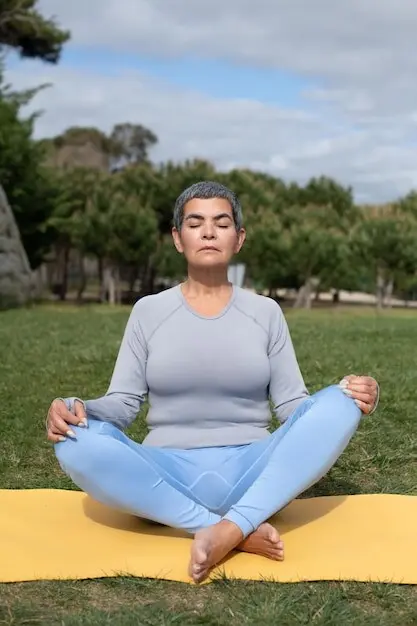
Breathe Back Control: Fast Calm, Faster Recovery

The CO2 Thermostat
Carbon dioxide is not just exhaust; it is a potent dial that teaches your body how tolerant you are of rising intensity. When CO2 rises slightly, chemoreceptors nudge breathing to deepen or slow, shaping calm or urgency. Gentle breath holds, controlled exhales, and nasal breathing build comfort with this signal, lowering reactivity and sharpening focus. Think of it as training your internal thermostat so small stressors feel smaller, and recovery windows open faster and stay open longer.
Nose, Diaphragm, and the Vagus
Nasal breathing filters, warms, and pressurizes air, supporting nitric oxide flow and a steadier, richer oxygen delivery. Pair that with low, wide diaphragmatic movement, and you mechanically massage the vagus nerve through the diaphragm’s descent and rib motion. This combination cues parasympathetic tone, reduces unnecessary tension in the shoulders and jaw, and invites a calmer heartbeat pattern. The result is a quieter mind that still feels alert, ready to choose thoughtful actions rather than reflexive reactions.
Heartbeats You Can Hear
Your heart’s rhythm mirrors your breathing. When you inhale, heart rate subtly rises; when you exhale, it eases. This dance, called respiratory sinus arrhythmia, is a practical doorway into calm. Lengthening exhalations, especially through the nose, amplifies the downshift, improving heart rate variability, a marker tied to resilience. Aim for smooth, unforced breaths that feel soothing rather than dramatic. You will often notice warmth in the face, unclenching in the belly, and clearer thinking within a minute.
One-Minute Routines That Actually Work

Physiological Sigh, Simplified
Take a steady nasal inhale, pause, then add a second small sip to fully inflate the lungs; follow with a long, unhurried exhale through the mouth, like fogging a mirror. The double inhale reopens collapsed alveoli, and the extended exhale scrubs excess carbon dioxide while triggering relaxation pathways. One to three rounds can relieve tightness in the chest and throat. Practice occasionally when you are already calm, so in stressful moments your body remembers the shape without hesitation.
4-7-8 With Training Wheels
Take a steady nasal inhale, pause, then add a second small sip to fully inflate the lungs; follow with a long, unhurried exhale through the mouth, like fogging a mirror. The double inhale reopens collapsed alveoli, and the extended exhale scrubs excess carbon dioxide while triggering relaxation pathways. One to three rounds can relieve tightness in the chest and throat. Practice occasionally when you are already calm, so in stressful moments your body remembers the shape without hesitation.
Box Breathing Under Pressure
Take a steady nasal inhale, pause, then add a second small sip to fully inflate the lungs; follow with a long, unhurried exhale through the mouth, like fogging a mirror. The double inhale reopens collapsed alveoli, and the extended exhale scrubs excess carbon dioxide while triggering relaxation pathways. One to three rounds can relieve tightness in the chest and throat. Practice occasionally when you are already calm, so in stressful moments your body remembers the shape without hesitation.
From Overwhelm to Reset After Stress or Exercise
Science, Stories, and Measurable Proof
Build Habits That Stick
Anchor It to What Already Happens
Choose cues that never fail to occur: kettle boiling, opening your laptop, parking the car, waiting for a meeting to start. Attach a one-minute breathing routine to that cue, same place, same posture. Consistency beats intensity. Make the action obvious and rewarding, like feeling your shoulders drop or your mind settle. Over time the cue itself becomes a promise of calm. Share your chosen anchor with a friend or our readers, and invite them to check in on your progress.
Track It Without Drama
Use a tiny grid on a sticky note, a calendar dot, or a simple app. Mark the day you practiced, jot the cadence used, and note a quick before-and-after tension number. Keep it visual and low effort, so tracking never becomes another task to avoid. If you miss a day, circle the next box and continue without apologies. Review weekly to spot trends, then adjust duration or timing. Gentle accountability turns into momentum, and momentum keeps you returning when life gets noisy.
Safety, Adjustments, and Edge Cases

When You Feel Lightheaded

Asthma, Anxiety Meds, and You

All Rights Reserved.